Those with excess upper eyelid skin
Those experiencing heaviness and hooding of the eyelids.
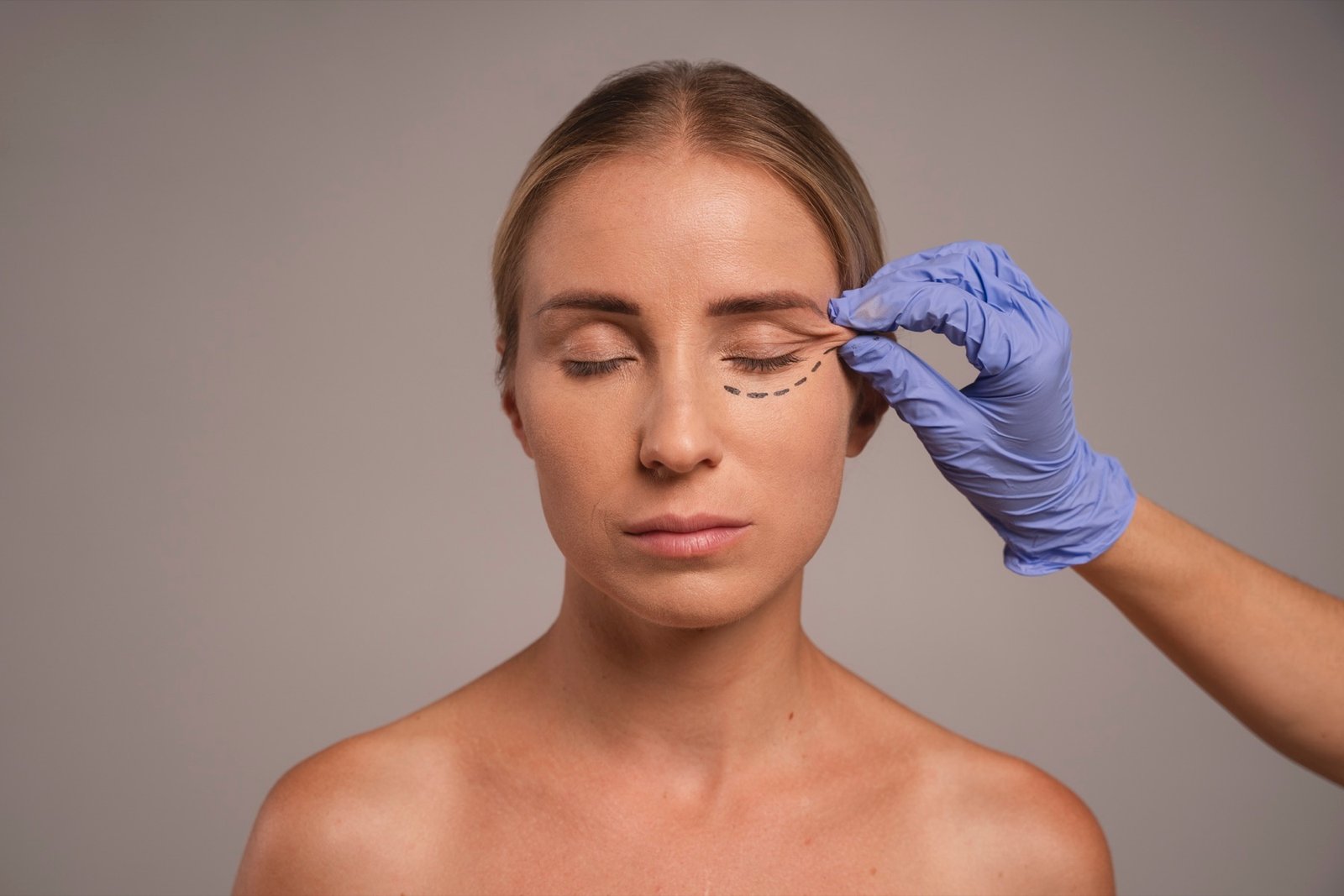
A personalized eyelid aesthetic approach aiming for a more rested, fresher and natural look around the eyes.
Blepharoplasty is an eyelid aesthetic approach in which excess skin, bags or a tired appearance of the upper or lower eyelids are assessed on a personalized basis. The goal is planning for a fresher, more rested and natural look around the eyes.
It involves measured surgical intervention that refreshes the person’s natural expression without making the gaze look artificial. Upper and lower lids may be addressed separately or together with overall facial harmony in mind.
Those experiencing heaviness and hooding of the eyelids.
Those who look tired due to fat bags under the eyes.
Those who look sleepless and exhausted even with enough sleep.
Patients looking for refreshed eyes without hardening expression.
Eye anatomy, brow level and eyelid asymmetries are examined.
How much skin or fat tissue should be addressed is carefully measured.
Relationships with surrounding structures (brow, cheek) are assessed so the gaze stays natural.
Recovery is followed after a procedure that may be performed under local or general anesthesia.
Recovery after blepharoplasty varies by person. Swelling and bruising may occur early on.
There may be sensitivity around the eyes; suture removal or dissolution is managed under doctor supervision.
Most edema settles within a few weeks and appearance begins to improve rapidly.
Appearance becomes more natural over time and final freshness fully settles over months.
In blepharoplasty, the goal is a fresher, more rested look without turning the eye area into an artificial expression. Results vary by personal tissue structure and recovery.
The most common topics about blepharoplasty.
Blepharoplasty is a surgical approach assessing excess skin, bags, tired appearance or aging signs of the upper and/or lower eyelids. The goal is a fresher, more rested and natural expression around the eyes.
Upper blepharoplasty usually focuses on excess upper eyelid skin and lid heaviness. Lower blepharoplasty is assessed for bags, laxity or a tired look of the lower lid. Which area is treated is determined by individual need.
The goal is not to artificially change eye shape, but to reduce a tired, heavy look and create a more rested expression. Planning is not based on eyelid skin alone.
Upper blepharoplasty may take about 45–90 minutes; lower blepharoplasty about 1–2 hours. Anesthesia and hospital stay vary by procedure scope and medical status.
In the first days, swelling, bruising, mild tightness and sensitivity around the eyes may occur. Keeping the head elevated, protecting the eye area and following care instructions are important. Many patients can return to social life without glasses around 7–10 days.
On the upper lid, the incision is usually placed in the natural crease. On the lower lid, different approaches may be planned according to need. Scar appearance fades over time; sun protection and care recommendations are important.
A natural, balanced approach in harmony with facial features.
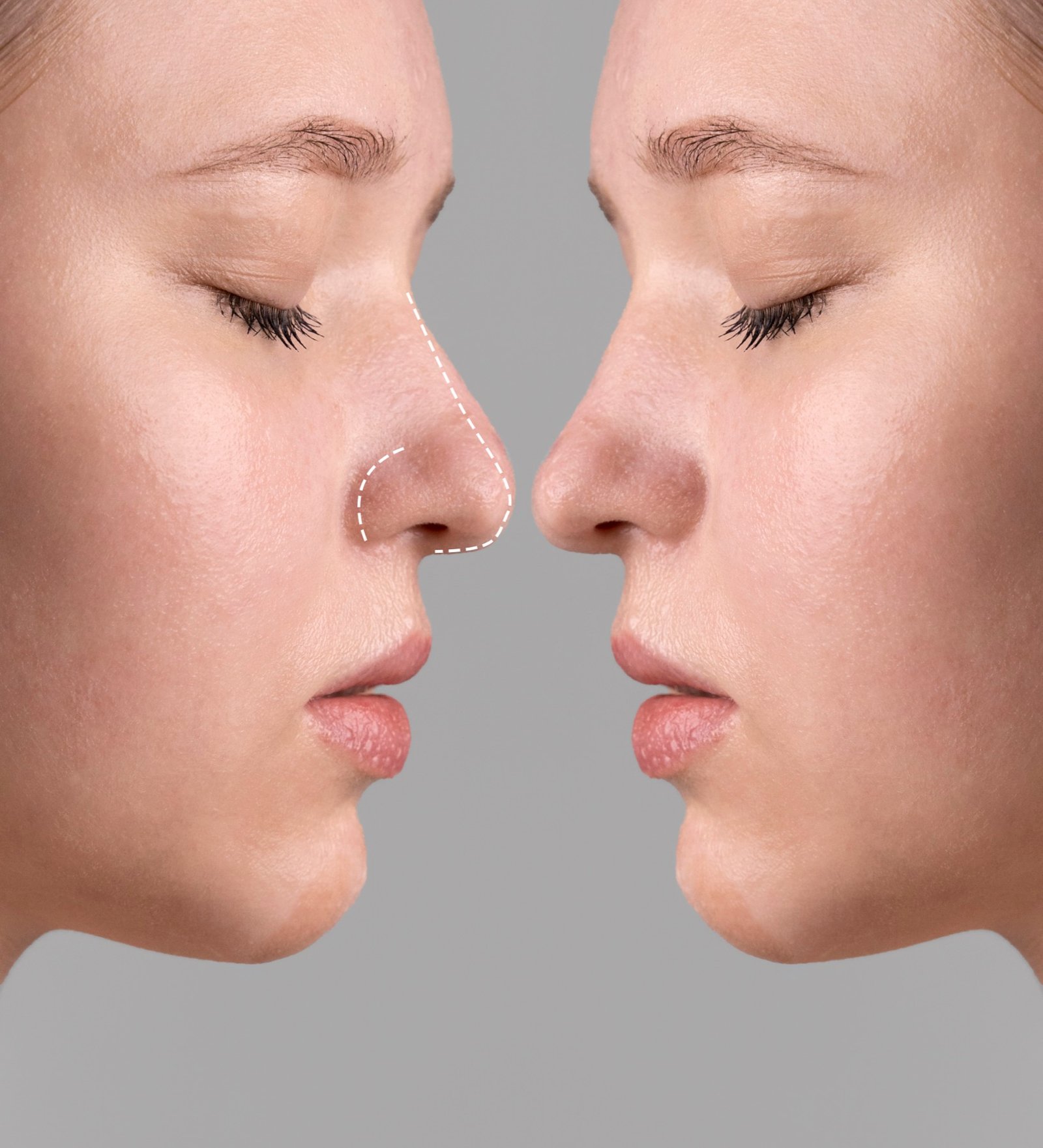
Detailed assessment for patients with previous surgery.
An aesthetic approach that preserves personal facial character.
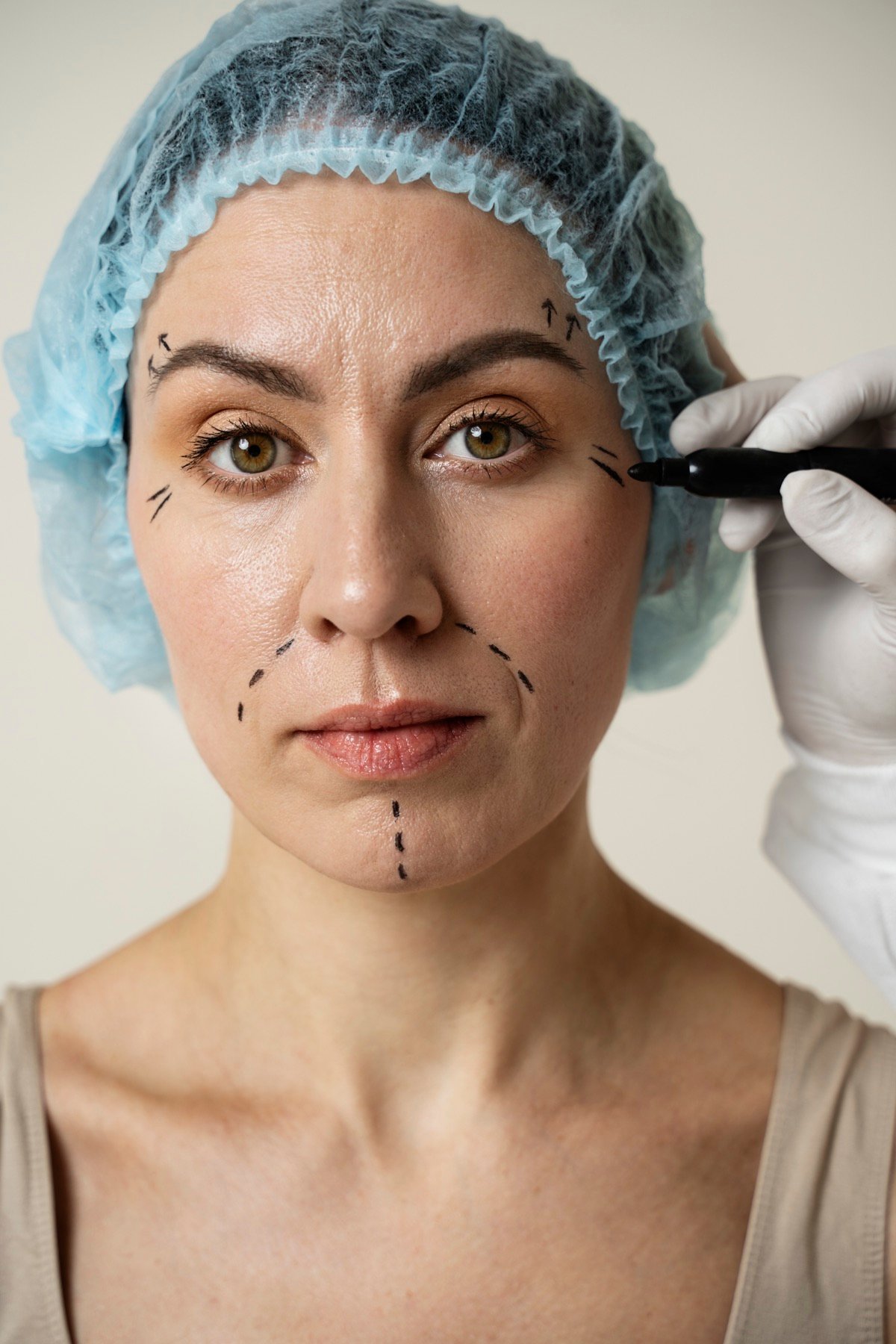
Planning for a more rested, natural rejuvenation look.
Your eye area, facial structure and expectations can be evaluated together to create a personalized plan.