Those dissatisfied with the first result
People whose aesthetic expectations were not met or whose nasal structure changed over time.
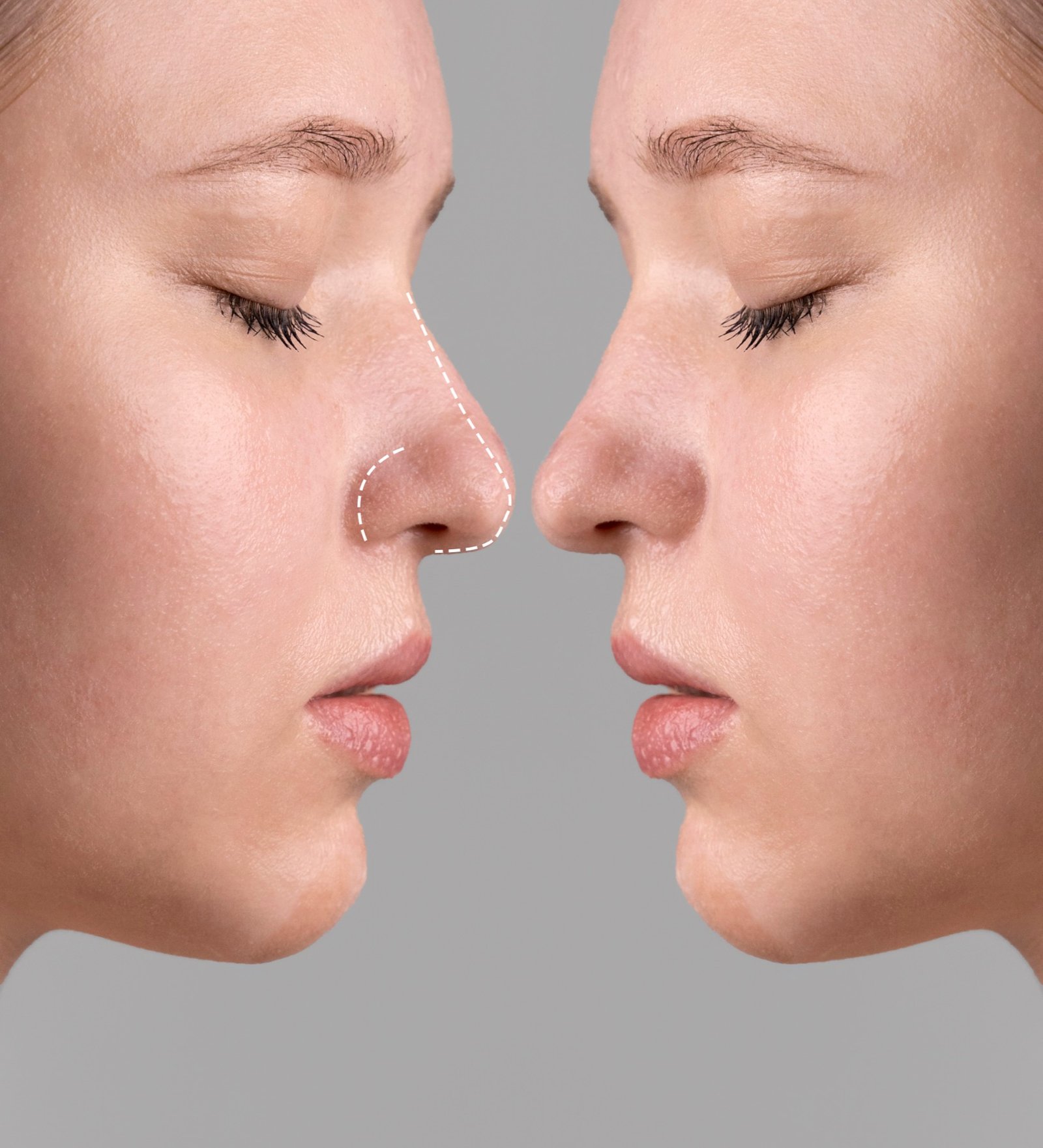
A personalized approach that reassesses the aesthetic and functional outcomes of previous nose surgeries.
Revision rhinoplasty is a corrective surgical approach planned for patients who have had previous nose aesthetics and need reassessment for aesthetic or functional reasons. Prior surgical tissues, internal nasal structure, cartilage support and expectations must be evaluated together.
The goal is to resolve functional issues while achieving a natural, face-harmonized and satisfying aesthetic result. This process requires detailed preliminary analysis.
People whose aesthetic expectations were not met or whose nasal structure changed over time.
Those who did not achieve functional improvement after previous surgery or developed new issues.
Those bothered by nasal deviation, asymmetry or shape issues that developed during healing.
Those with tip droop or collapse due to cartilage loss or structural weakness.
Prior interventions and the current nasal structure are examined in detail.
Functional breathing capacity and external aesthetic structure are assessed together.
Possible cartilage support needs (ear or rib) for revision surgery are planned.
A feasible surgical plan is created according to expectations and structural possibilities.
In revision surgery, recovery may vary according to previous operations and tissue status.
The early healing phase is observed as splints and bandages are removed.
Swelling may take longer to settle than after primary surgery; this relates to tissue structure.
Final settling may take different amounts of time (often beyond 1 year) depending on the individual.
In revision rhinoplasty, the goal is to reassess aesthetic and functional issues related to previous surgery with realistic planning. Every result varies by tissue structure, prior surgery and recovery.
The most common topics about revision rhinoplasty.
Revision rhinoplasty is planned for patients who have had previous nose surgery and need reassessment for aesthetic appearance, breathing function, or both. Prior surgical tissue, scar tissue, cartilage support, skin quality and internal nasal structure are evaluated together.
In a previously operated nose, tissue planes may have changed. Cartilage support may be reduced, scar tissue may have formed, or asymmetry may have developed. Therefore revision requires more careful planning from both aesthetic and functional perspectives.
Usually sufficient time is needed after the first surgery for tissues to heal and swelling to largely settle. In many patients this period is around 12 months, though it may vary by individual.
Yes, some revision cases may require additional cartilage to rebuild nasal support. This need varies by current nasal structure, tissues used in prior surgery and the scope of correction.
Revision rhinoplasty often takes longer than primary rhinoplasty. Approximate duration is 3–5 hours or more; exact time depends on case complexity.
In some revision cases, swelling and tissue settling may take longer than primary rhinoplasty. Especially with thick skin, dense scar tissue or complex reconstruction, final maturation takes time.
A natural, balanced approach in harmony with facial features.

An aesthetic approach that preserves personal facial character.
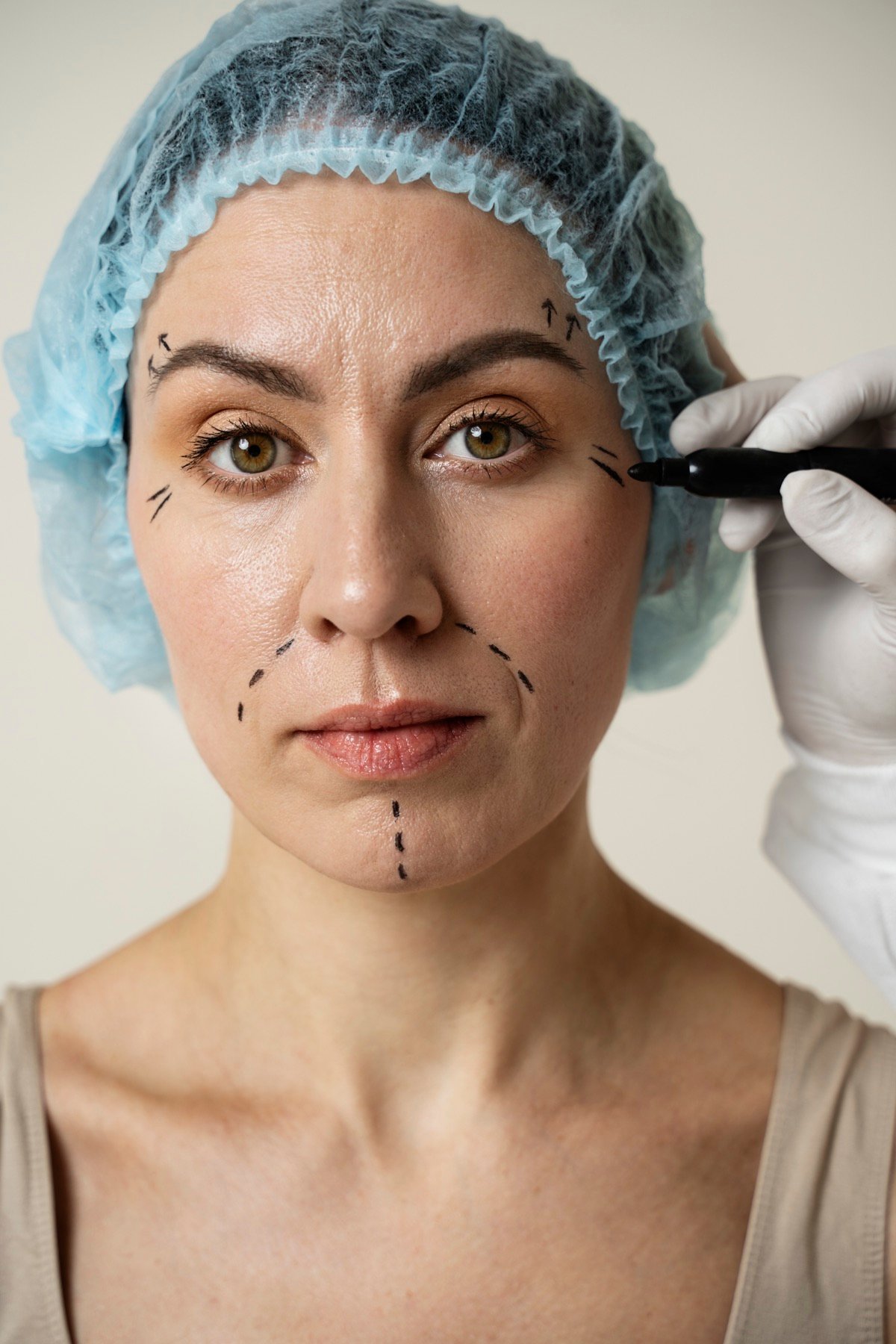
Planning for a more rested, natural rejuvenation look.
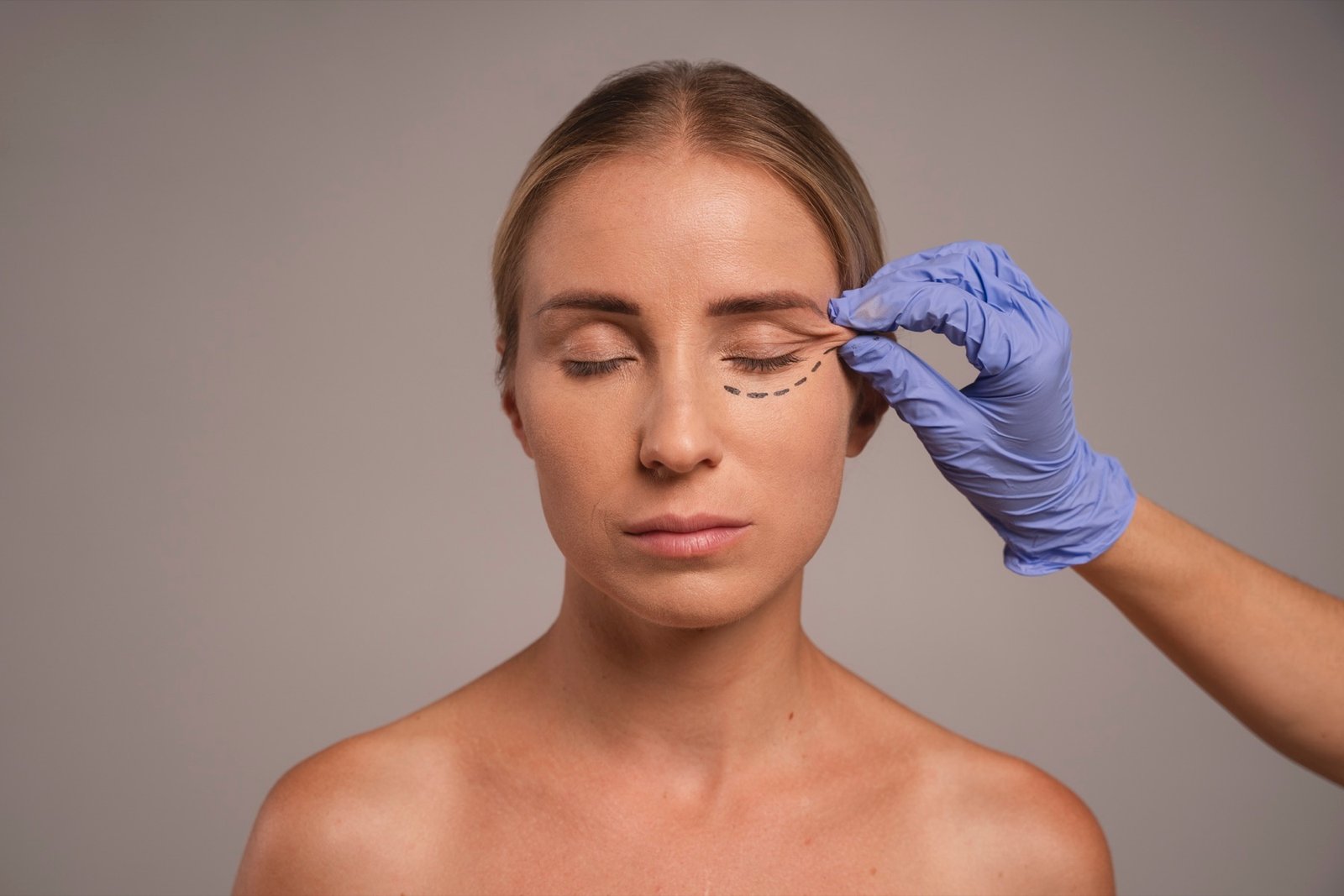
A fresher, more rested look around the eyes.
Your previous surgery process, current nasal structure and expectations can be evaluated together to create a personalized plan.