Those dissatisfied with nose shape
Patients seeking assessment due to nose size, asymmetry or profile appearance.

A natural, balanced nose aesthetic approach in harmony with facial features.
Rhinoplasty is a surgical approach that addresses nose shape and, when needed, breathing function together. Planning is not based on the nose alone; forehead, lips, jawline and overall facial balance are considered as a whole.
The goal is a natural, personalized result in harmony with overall facial proportions. Each patient’s nasal structure, skin quality, facial proportions and expectations are evaluated individually.
Patients seeking assessment due to nose size, asymmetry or profile appearance.
Those aiming for a natural look for dorsal hump, tip droop or tip form.
Those who want nasal obstruction or structural issues evaluated together with aesthetic planning.
Those looking for balanced, subtle change that preserves facial character.
Nose, profile and facial proportions are reviewed holistically through photos.
Patient expectations, current nasal structure and feasible approach are discussed together.
A surgical plan is created for nasal bridge, tip, breathing function and facial harmony.
Postoperative checks and recovery are followed according to patient needs.
Swelling, tenderness and nasal congestion may occur. This period is followed with doctor recommendations.
Follow-up appointments and the splint process progress according to the planned schedule.
Appearance becomes calmer over weeks; tip edema may take longer to settle.
Maturation of the final look takes time and may vary by nasal structure.
Every result varies according to facial proportions, nasal structure, skin quality and recovery. Images are provided to give an idea during assessment.
The most common topics about the rhinoplasty process.
Rhinoplasty may be considered for patients dissatisfied with nose shape, harmony with facial profile, or breathing function. Nasal bridge, tip, alar width, skin quality, facial proportions and breathing function are analyzed together. Suitability is determined not only by aesthetic expectation but also by nasal anatomy, general health and realistic expectations.
The goal is not a one-size-fits-all or exaggerated look. The nose is planned personally together with forehead, lips, jawline and overall facial proportions. The aim is a balanced result that looks natural, harmonizes with the face and does not change personal expression.
If there is internal deviation, valve problems, turbinate enlargement or similar functional issues, breathing function can be assessed together with aesthetic planning. ENT expertise allows aesthetic appearance and internal nasal function to be addressed together.
Rhinoplasty or septorhinoplasty usually takes about 2–4 hours. Duration may vary according to nasal structure, procedure scope, additional functional interventions and surgical plan details.
In the first days, swelling, bruising, nasal congestion, pressure and mild discomfort may occur. For most patients, the first week involves follow-up, splint/tape care and rest. Final results take time to settle; in many patients maturation may continue up to 1 year.
No. In the early weeks the nose may be swollen and the tip, bridge or facial profile may not reflect the final look. Especially in thick-skinned patients and tip refinement, the process may take longer. Early results should be followed patiently rather than judged immediately.
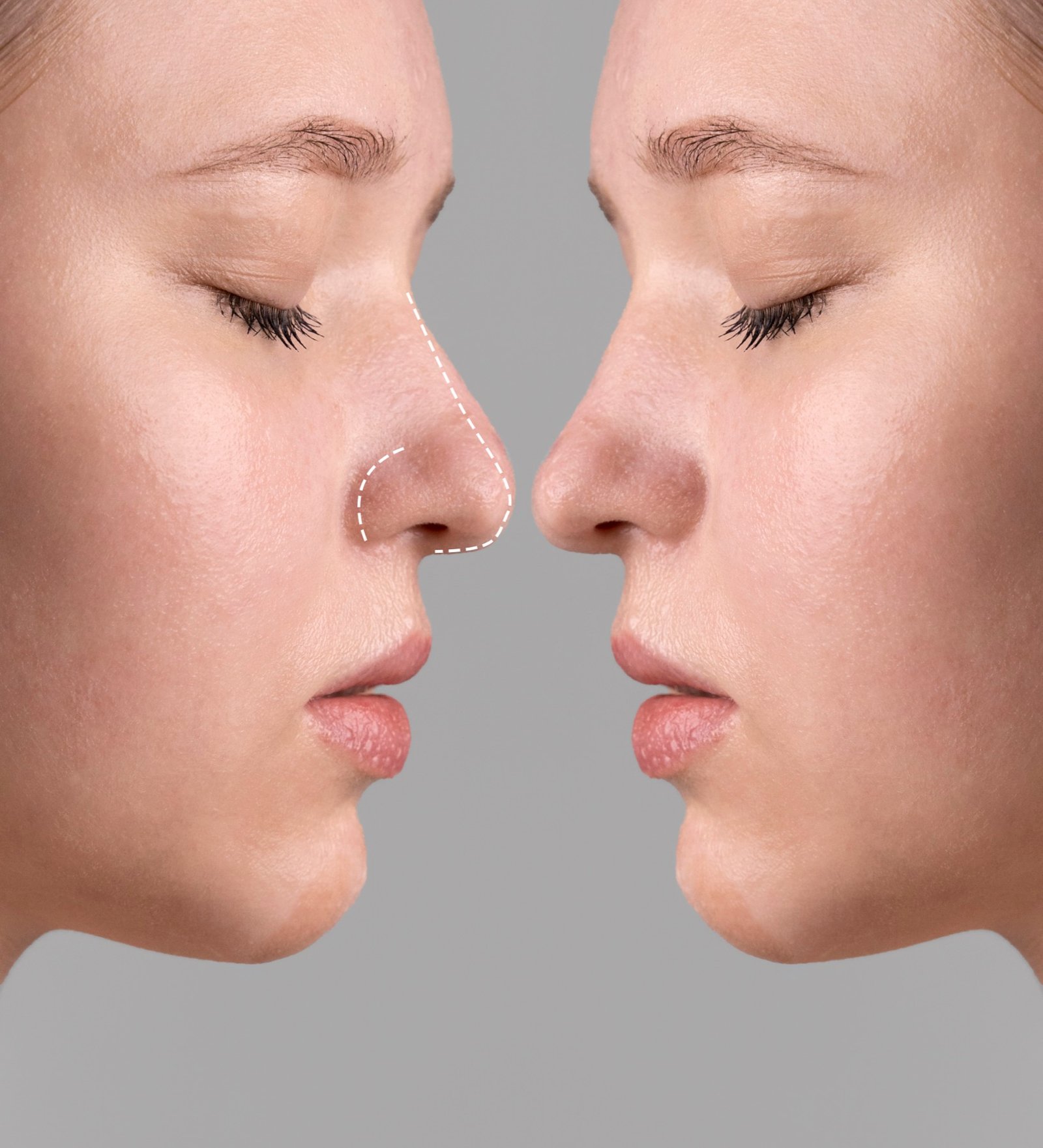
Detailed assessment for patients with previous surgery.

An aesthetic approach that preserves personal facial character.
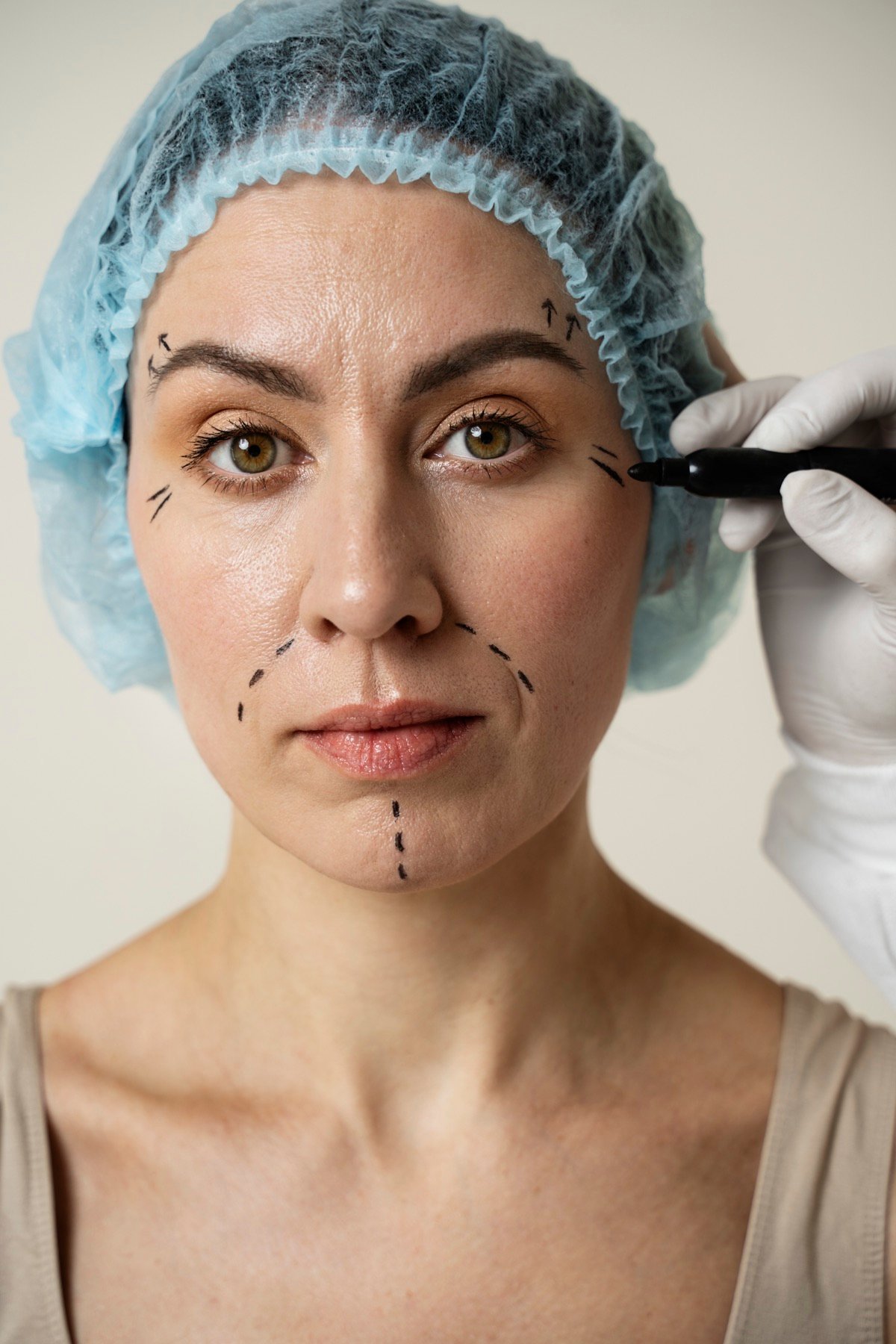
Planning for a more rested, natural rejuvenation look.
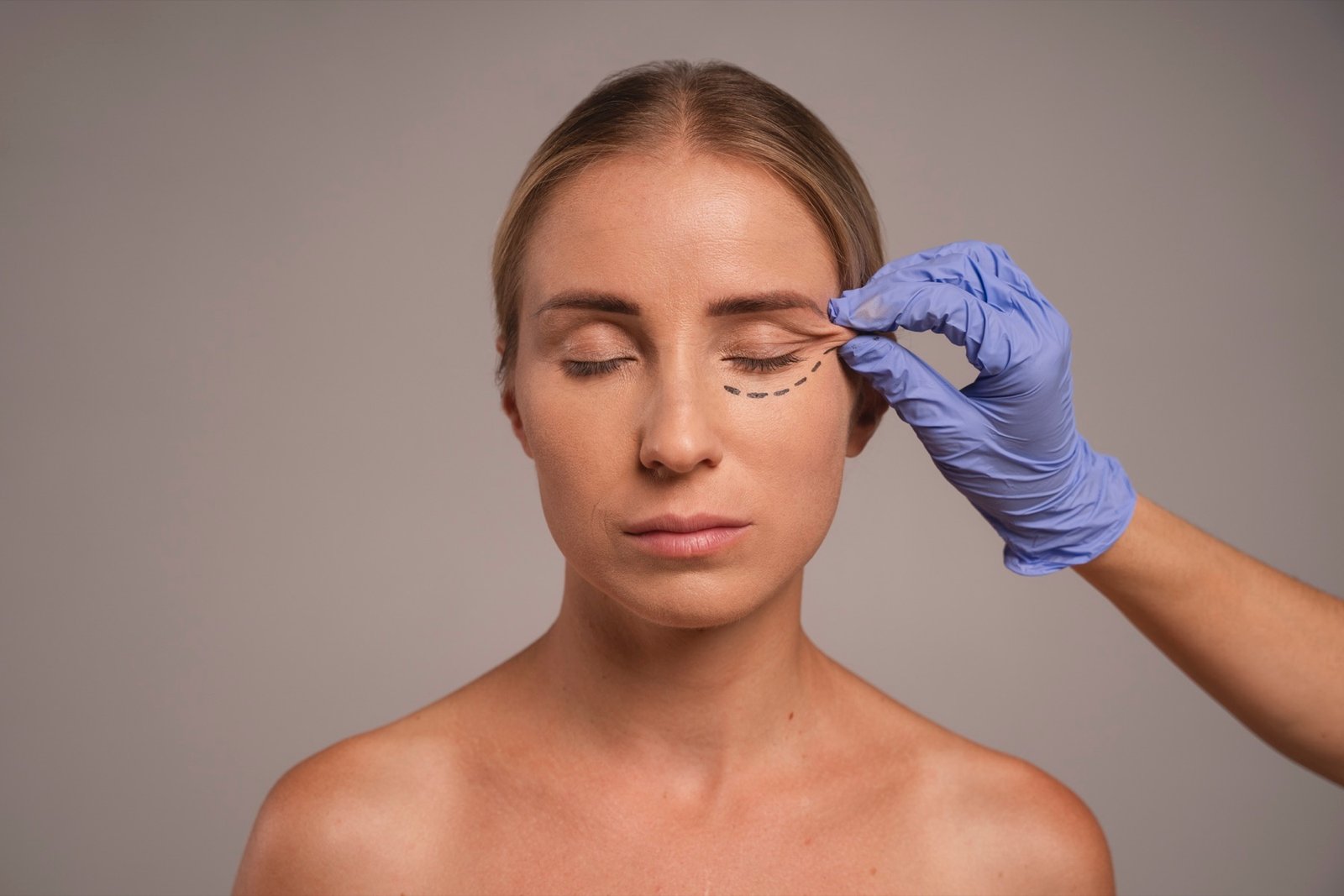
A fresher, more rested look around the eyes.
Your nasal structure, facial proportions and expectations can be evaluated together to create a personalized plan.