Yes, the consultation is free. Appointments are scheduled according to the doctor’s upcoming availability. You can contact us via WhatsApp for the initial assessment. After your photos, expectations and basic medical information are received, you receive preliminary information about the process. This stage is not a definitive examination that finalizes the surgical plan; it is an initial evaluation of suitability, expectations and process.
FAQ
Frequently Asked Questions
Explore common questions about the general process, rhinoplasty, facelift & neck lift, blepharoplasty and the international patient journey by category.
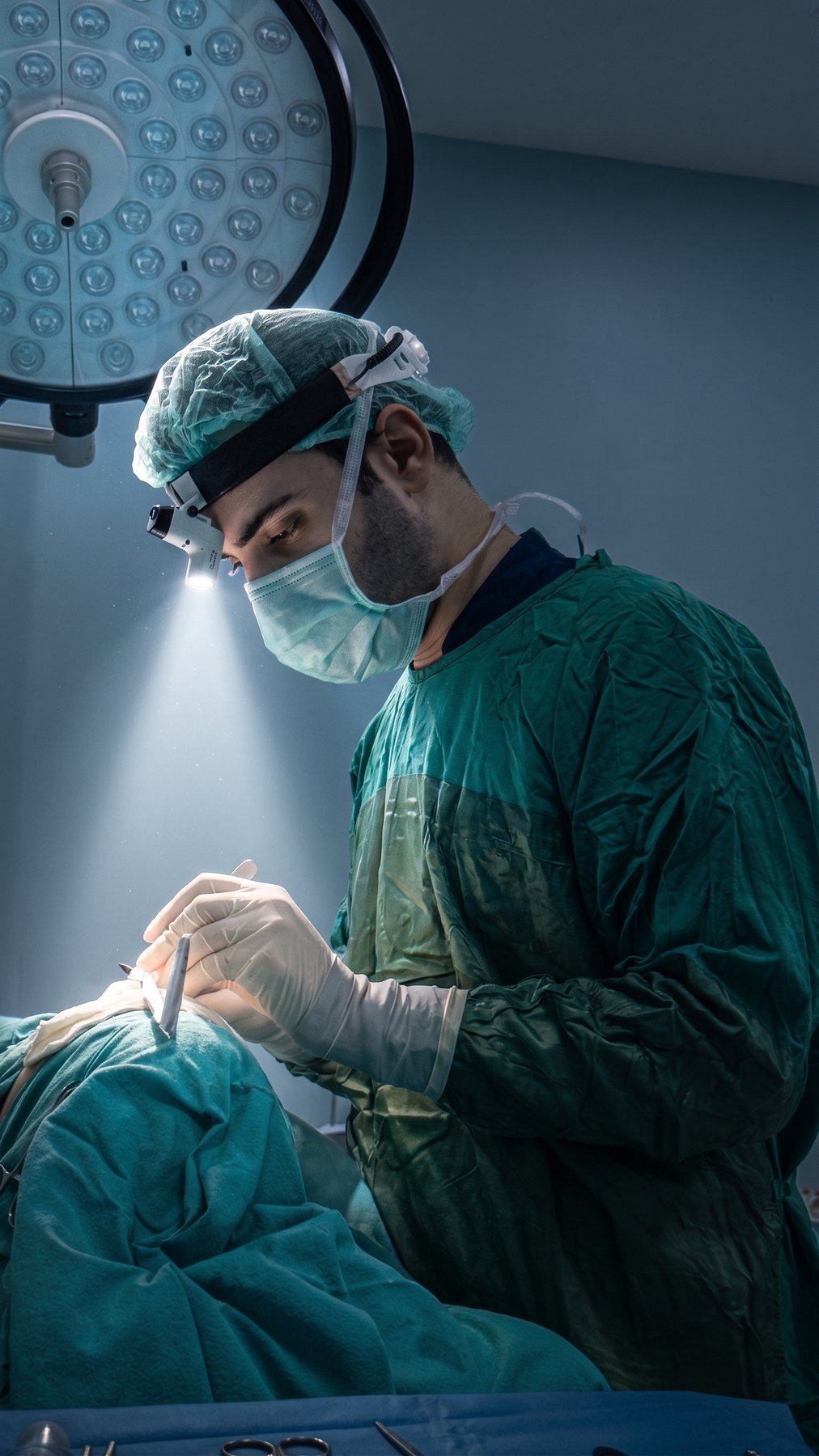
Usually front facial view, right and left profiles, right-left 45-degree angles, and a basal (from below) view for the nose are requested. Close-up photos may also be added if a specific area such as the face, eye area, neck, jawline or nasal tip will be assessed. Photos taken in natural light, without filters, without heavy makeup or as plain as possible make assessment more accurate.
Photos are very helpful for preliminary assessment; however, the final surgical plan is not determined by photos alone. Nasal structure, skin quality, facial proportions, breathing status, tissue structure and personal expectations must be evaluated together. The definitive plan becomes clear after online doctor assessment, medical suitability and, when needed, an in-person examination.
First, your photos, expectations and health information are assessed. Then the suitable procedure, surgery date, hospital process, accommodation, transfer and follow-up plan are organized on a personalized basis. The goal is for the patient to experience the process in a clear, controlled and safe way from start to finish.
Yes. Support is provided for online preliminary assessment, date planning, transfer, accommodation, hospital process and postoperative follow-up. A typical international patient flow usually progresses as arrival in Istanbul, hotel check-in, doctor assessment, surgery, hospital follow-up, hotel recovery and final check.
This duration varies according to the procedure, the scope of the surgical plan and your recovery. For international patients, planning is often approximately 8 days.
Istanbul Airport (IST) is usually preferred for access to clinic, hospital and accommodation areas. Sabiha Gökçen Airport (SAW) can also be used; however, transfer time may be longer depending on traffic and accommodation location. Sharing your flight plan with the team before booking helps organize transfer and appointment times more accurately.
Previous surgeries, regular medications, allergies, chronic conditions, breathing problems, smoking/nicotine use, and prior fillers, Botox, laser or thread-lift procedures must be shared. If you are pregnant or planning pregnancy, sharing this is very important. Do not stop regular medications on your own without doctor approval.
Smoking, vaping and nicotine use can negatively affect wound healing, so stopping before surgery is requested. Blood thinners, some painkillers and supplements should also be reviewed under doctor supervision in the preoperative period.
Surgery day progresses with hospital admission, required tests, anesthesia assessment, final surgical plan check and operative preparation. Depending on the procedure, general anesthesia, sedation or local anesthesia may be planned. After surgery, the patient is monitored in the recovery area. For most surgical procedures, same-day or one-night hospital monitoring may be planned; this decision depends on the procedure and medical status.
In some patients, rhinoplasty, blepharoplasty, facelift, neck lift or facial contour procedures may be planned together. This decision is based not only on aesthetic expectations but also on general health, anesthesia safety, procedure duration and tissue structure.
After facial aesthetics and nose surgery, most patients experience swelling, pressure, tightness, bruising, nasal congestion or mild discomfort more often than severe pain. Medications and care recommendations for the postoperative period are provided specifically for you.
Early follow-up typically progresses as hospital check, hotel-period guidance, dressing or splint control, and final examination according to the procedure. For international patients, post-discharge support may also continue via WhatsApp. In the early period, you should not remove splints, tapes, sutures or dressings yourself.
This duration varies by procedure and individual recovery speed. Swelling and bruising may be more noticeable in the first days; from the second week onward, many patients feel more comfortable socially. After facelift and neck lift, return to social life is around 2 weeks for most patients.
Early changes may be noticeable; however, the final result settles over time. Full maturation after rhinoplasty and revision rhinoplasty may take 12 months or longer. After facelift and facial rejuvenation, contours usually begin to settle more clearly in the first months.
Mild-to-moderate swelling, bruising, tightness, numbness and temporary asymmetry can be expected early on. However, in cases of uncontrolled bleeding, rapidly increasing one-sided swelling, shortness of breath, chest pain, fainting, high fever, foul-smelling discharge, vision changes or severe eye pain, contact us immediately and seek emergency care if needed. For non-urgent issues, reaching the team via WhatsApp with clear photos helps correct assessment.
Rhinoplasty may be considered for patients dissatisfied with nose shape, harmony with facial profile, or breathing function. Nasal bridge, tip, alar width, skin quality, facial proportions and breathing function are analyzed together. Suitability is determined not only by aesthetic expectation but also by nasal anatomy, general health and realistic expectations.
The goal is not a one-size-fits-all or exaggerated look. The nose is planned personally together with forehead, lips, jawline and overall facial proportions. The aim is a balanced result that looks natural, harmonizes with the face and does not change personal expression.
If there is internal deviation, valve problems, turbinate enlargement or similar functional issues, breathing function can be assessed together with aesthetic planning. Dr. Bülent Demir, MD’s ENT expertise allows aesthetic appearance and internal nasal function to be addressed together.
Rhinoplasty or septorhinoplasty usually takes about 2–4 hours. Duration may vary according to nasal structure, procedure scope, additional functional interventions and surgical plan details.
In the first days, swelling, bruising, nasal congestion, pressure and mild discomfort may occur. For most patients, the first week involves follow-up, splint/tape care and rest. Final results take time to settle; in many patients maturation may continue up to 1 year.
No. In the early weeks the nose may be swollen and the tip, bridge or facial profile may not reflect the final look. Especially in thick-skinned patients and tip refinement, the process may take longer.
Revision rhinoplasty is planned for patients who have had previous nose surgery and need reassessment for aesthetic appearance, breathing function, or both. Prior surgical tissue, scar tissue, cartilage support, skin quality and internal nasal structure are evaluated together.
In a previously operated nose, tissue planes may have changed. Cartilage support may be reduced, scar tissue may have formed, or asymmetry may have developed. Therefore more careful planning is required from both aesthetic and functional perspectives.
Usually sufficient time is needed after the first surgery for tissues to heal and swelling to largely settle. In many patients this period is around 12 months, though it may vary by individual.
Yes, some revision cases may require additional cartilage to rebuild nasal support. This need varies by current nasal structure, tissues used in prior surgery and the scope of correction.
Revision rhinoplasty often takes longer than primary rhinoplasty. Approximate duration is 3–5 hours or more; exact time depends on case complexity.
In some revision cases, swelling and tissue settling may take longer than primary rhinoplasty. Especially with thick skin, dense scar tissue or complex reconstruction, final maturation takes time.
Ethnic rhinoplasty is nose aesthetic planning that considers facial and nasal features related to ethnic background. The goal is not to change facial character, but to create more balanced harmony between nose and facial proportions.
Yes, planning is built on this principle. The aim is a more refined, balanced look while preserving identity and natural facial character. A standard nose model is not applied.
Tip support, bridge height, alar width and skin quality are among the most carefully assessed areas. Especially in thicker-skinned patients, tip definition and edema settling may take longer.
With correct planning, the goal is a natural result. The nose is not assessed alone; forehead, lips, jawline and overall facial balance are considered together.
Recovery follows general rhinoplasty principles; however, depending on skin quality, tip structure and procedure scope, swelling reduction may take longer. Interpreting the result too early is not appropriate.
Facelift and neck lift may be considered for patients with laxity, sagging or contour loss in the lower face, jawline and neck. The goal is not to change the face, but to achieve a more rested, balanced and natural look.
With correct planning, the goal is not to change expression, but to help the person look more rested and fresh. Overly tight or artificial looks are avoided.
Neck lift is considered when there is neck laxity, banding, loss of chin–neck angle or prominence of the submental area. In some patients facelift alone may not be enough; planning face and neck together can target a more balanced result.
Facelift / neck lift may be planned for about 3–5 hours or more. Hospital stay is often 1–2 nights. These durations vary by procedure scope, combined surgery needs and medical suitability.
Incisions are usually planned to be hidden along the hairline, in front of or behind the ear, or in natural folds. Scar appearance varies by skin type, wound healing, surgical plan and adherence to care such as sun protection.
In the first week, swelling, bruising, tightness and mild discomfort may be expected. Many patients feel more social from the second week onward; however, this varies by person and procedure scope.
Blepharoplasty is a surgical approach assessing excess skin, bags, tired appearance or aging signs of the upper and/or lower eyelids. The goal is a fresher, more rested and natural expression around the eyes.
Upper blepharoplasty usually focuses on excess upper eyelid skin and lid heaviness. Lower blepharoplasty is assessed for bags, laxity or a tired look of the lower lid. Upper and lower lids do not have to be done together in every patient.
The goal is not to artificially change eye shape, but to reduce a tired, heavy look and create a more rested expression.
Upper blepharoplasty may take about 45–90 minutes; lower blepharoplasty about 1–2 hours. Anesthesia and hospital stay vary by upper/lower plan, procedure scope and medical status.
In the first days, swelling, bruising, mild tightness and sensitivity around the eyes may occur. Keeping the head elevated, protecting the eye area and following care instructions are important. Many patients can return to social life without glasses around 7–10 days.
On the upper lid, the incision is usually placed in the natural crease. On the lower lid, different approaches may be planned according to need. Scar appearance fades over time; sun protection and care recommendations are important.
Information and organized support can be provided regarding online consultation, hospital, accommodation and transfer. A sample process may be planned as approximately 8 nights.
Stay duration may vary according to the procedure and recovery. For international patients, planning is often approximately 8 days. Early return flights should not be planned without doctor approval.
Check-ups are planned according to the procedure and recovery. After return, communication can be supported via WhatsApp when needed.
Free Consultation
Book a WhatsApp Consultation
Let’s review the most suitable surgical plan for you.
Your questions, surgical expectations and suitability can be reviewed together in a preliminary assessment.